
2026-10-11 ·
Hail Damage vs. Normal Wear: How to Tell the Difference
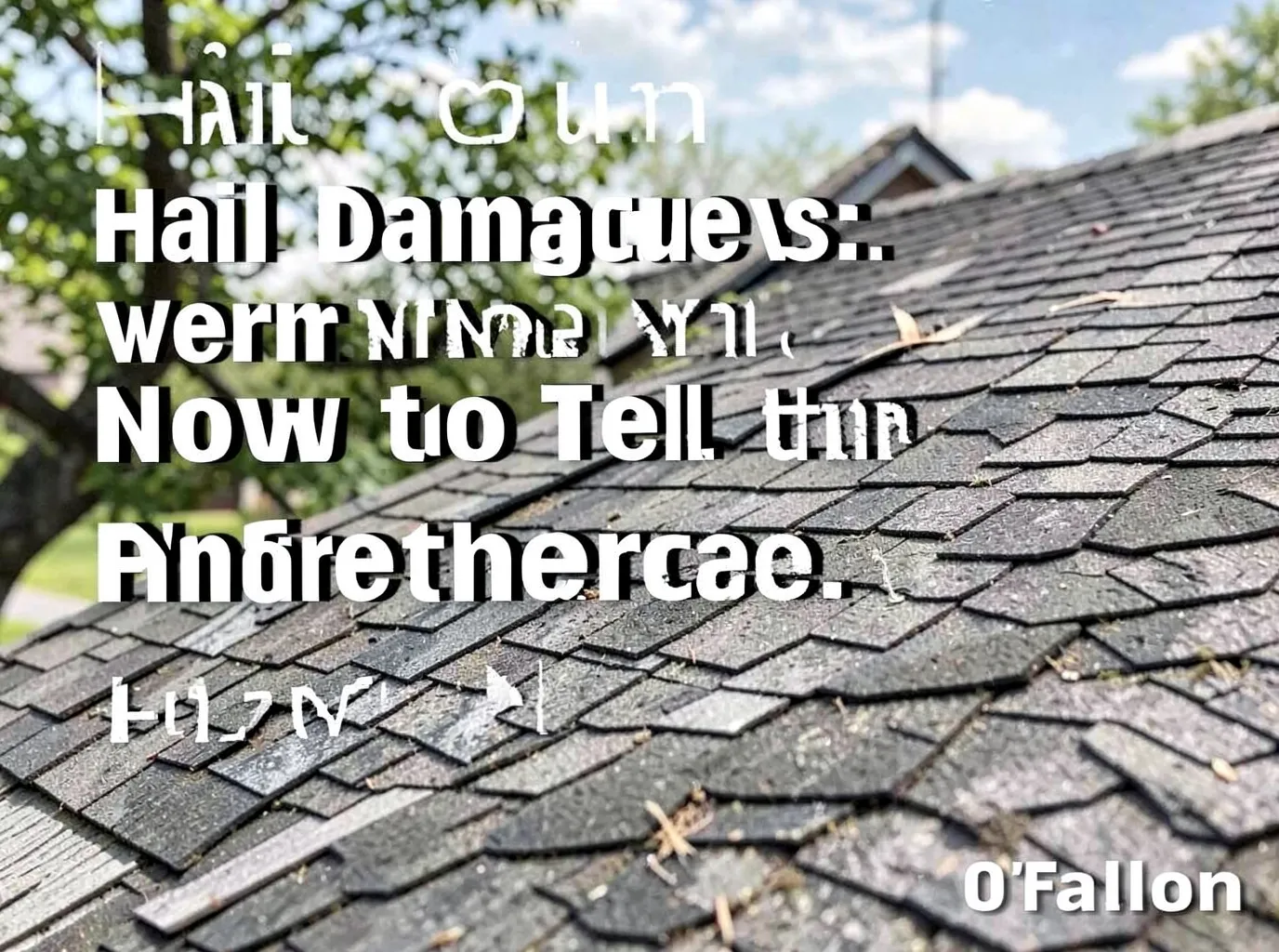
Hail damage on O'Fallon roofs appears as random circular dents, bruised shingles, and concentrated granule loss in patches, unlike the even surface erosion and curling edges that mark normal wear after years of sun and freeze-thaw cycles.
Spotting Hail Damage on Local Roofs
In O'Fallon and nearby St. Charles County neighborhoods such as Twin Chimneys and Aberdeen, hail from spring thunderstorms leaves distinct marks on asphalt shingles common to homes built in the 1980s through 2000s. Look for soft spots where granules have been knocked off in dime- to quarter-sized circles, often on south and west slopes exposed during storms. These impacts can crack the underlying mat without immediate leaks, but they speed up water intrusion once winter ice forms. Walk the roof or use binoculars after a storm to check for these patterns versus the uniform dulling seen on older sections. If dents align with recent weather reports, document them before scheduling a full inspection through our hail damage roof repair services.
Recognizing Normal Wear Patterns
Normal wear develops gradually across O'Fallon roofs from constant UV exposure, temperature swings between summer heat and winter lows, and minor debris accumulation. Shingles lose granules evenly, leading to bald spots that expose the mat over the full surface rather than in isolated clusters. Edges curl upward after 15-20 years, and flashing around chimneys or vents shows consistent corrosion. In areas like Legacy Point and Carriage Hills, older homes experience this steady aging faster on steeper pitches due to increased wind uplift. This type of deterioration rarely creates sudden leaks unless combined with clogged gutters, but it signals the need for proactive monitoring to avoid emergency roof leak repair calls.
How O'Fallon Weather Influences Both Issues
O'Fallon's mix of intense summer hail events and repeated winter freeze-thaw cycles accelerates both hail dents and normal wear on local roofs. Heavy rains following hail can turn minor granule loss into active leaks within weeks, especially on homes in Fort Zumwalt Heights where tree cover holds moisture. Normal wear compounds when ice dams form along eaves during cold snaps, pushing water under shingles. Residents in St. Charles and Lake Saint Louis see these patterns repeat yearly. Tracking storm dates helps separate sudden hail hits from the slow progression of age-related breakdown.
Next Steps After Identifying the Cause
Once the damage type is clear, compare it against your roof's age and recent weather to decide on targeted fixes. Hail often qualifies for insurance review, while normal wear points to scheduled maintenance. For either case, prompt evaluation prevents leaks that spread into attics and ceilings. Explore our storm damage roof repair options or review the guide on Can You Claim a Roof Leak on Insurance After a Storm? (Adjuster Tips) to understand documentation steps. Local inspections in O'Fallon focus on these exact distinctions to match repairs to the actual cause.